 VisitNyhavn
FR
VisitNyhavn
FR
L'histoire de Nyhavn — du canal portuaire de 1673 à l'attraction touristique
Nyhavn a été creusé de 1671 à 1673 par des soldats et des prisonniers de guerre suédois comme port de commerce intérieur pour Christian V. Pendant trois siècles, ce fut un quartier de marins — pubs, maisons closes, salons de tatouage. Ce n'est que dans les années 1970 que le quai a été transformé en le décor touristique que nous connaissons aujourd'hui.
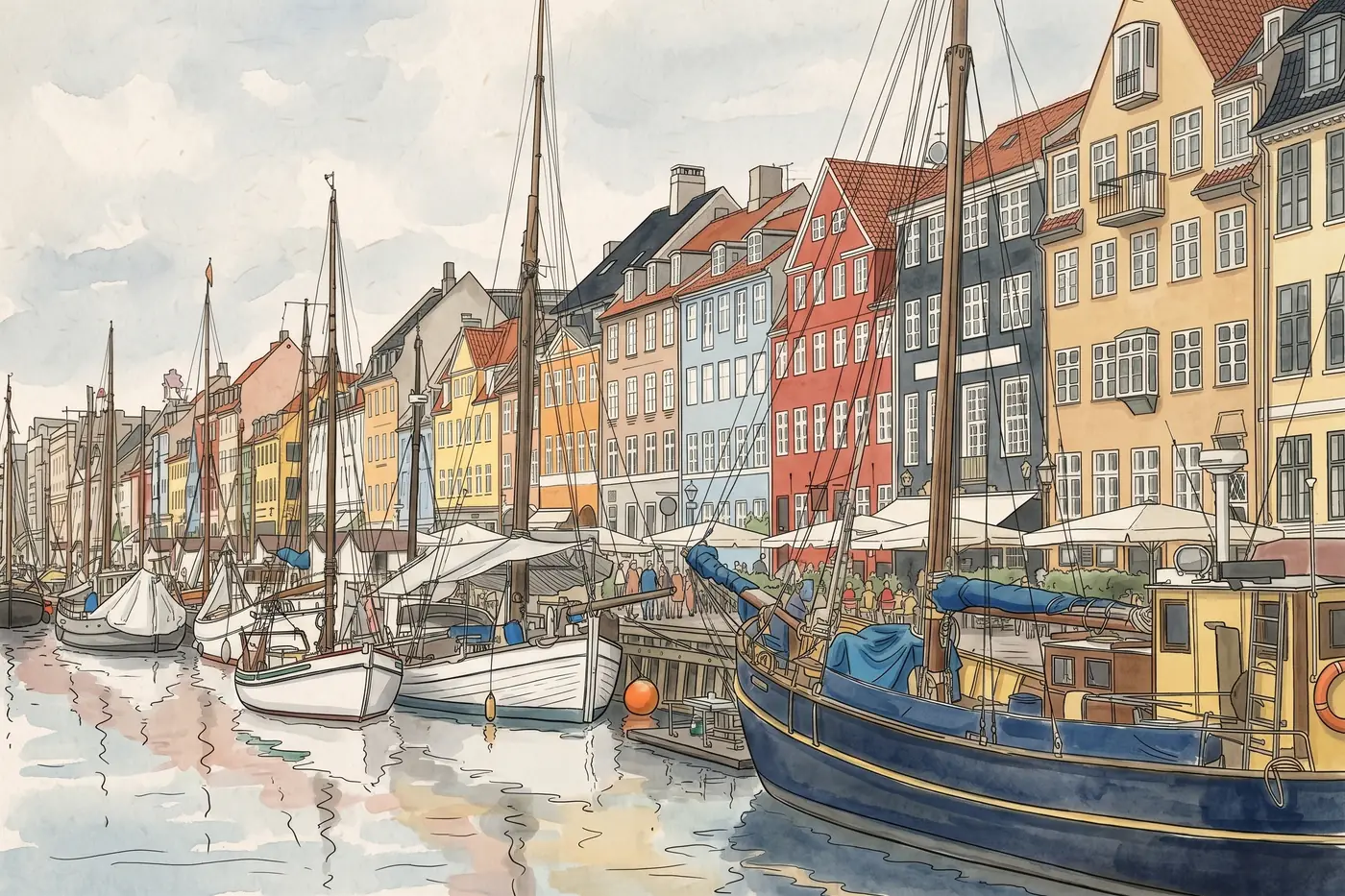
Creusé dans les années 1670 comme port de commerce actif, Nyhavn possède une riche histoire façonnée par les marins, le commerce et l'écrivain Hans Christian Andersen. Aujourd'hui, les entrepôts préservés témoignent de ce passé maritime.
Dix faits vérifiés sur le port
Chiffres que nous avons pu documenter — des adresses et dates d'ouverture aux nombres de visiteurs. Sources indiquées par champ.
Les estimations sont indiquées. Le reste provient des registres publics, des tarifs officiels ou des pages propres au lieu.
L'histoire de Nyhavn : questions fréquentes
Pourquoi les maisons de Nyhavn sont-elles colorées ?
Les maisons enduites sont principalement peintes dans des tons terre clairs, tandis que celles en brique sont rouges, quelques-unes jaunes. Le plan local de la ville protège cet aspect : lorsqu'une façade est rénovée, elle doit retrouver sa couleur claire d'origine. Une histoire populaire raconte que les marins reconnaissaient leurs maisons à leurs couleurs — nous n'en avons pas trouvé la source.
H.C. Andersen a-t-il vraiment vécu à Nyhavn ?
Oui — à trois adresses : Nyhavn 20 (1834–38), Nyhavn 67 (par intermittence, 1848–65) et Nyhavn 18 (1871–74). Il a publié ses tout premiers contes au Nyhavn 20 en 1835. Il n'est cependant pas mort à Nyhavn.
Quand le canal a-t-il été creusé ?
1671–1673, sous Christian V. Il a été creusé par des soldats et des prisonniers de guerre suédois et a amené le commerce mondial jusqu'au nouveau centre de la ville, Kongens Nytorv.
Votre prochaine étape à Nyhavn
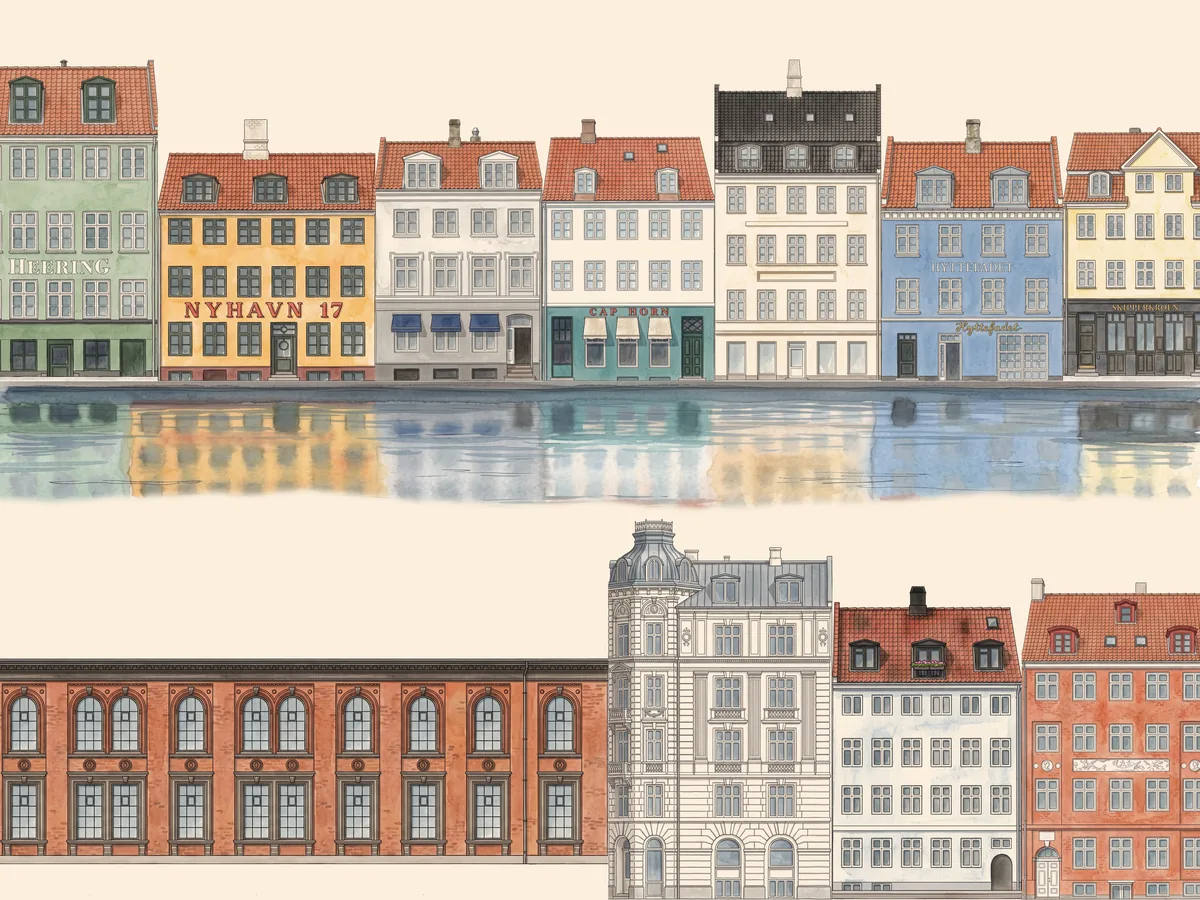
Nyhavn, maison par maison
Les 52 maisons du quai à l'aquarelle – avec ce qui est avéré, et les mythes qui ne tiennent pas.
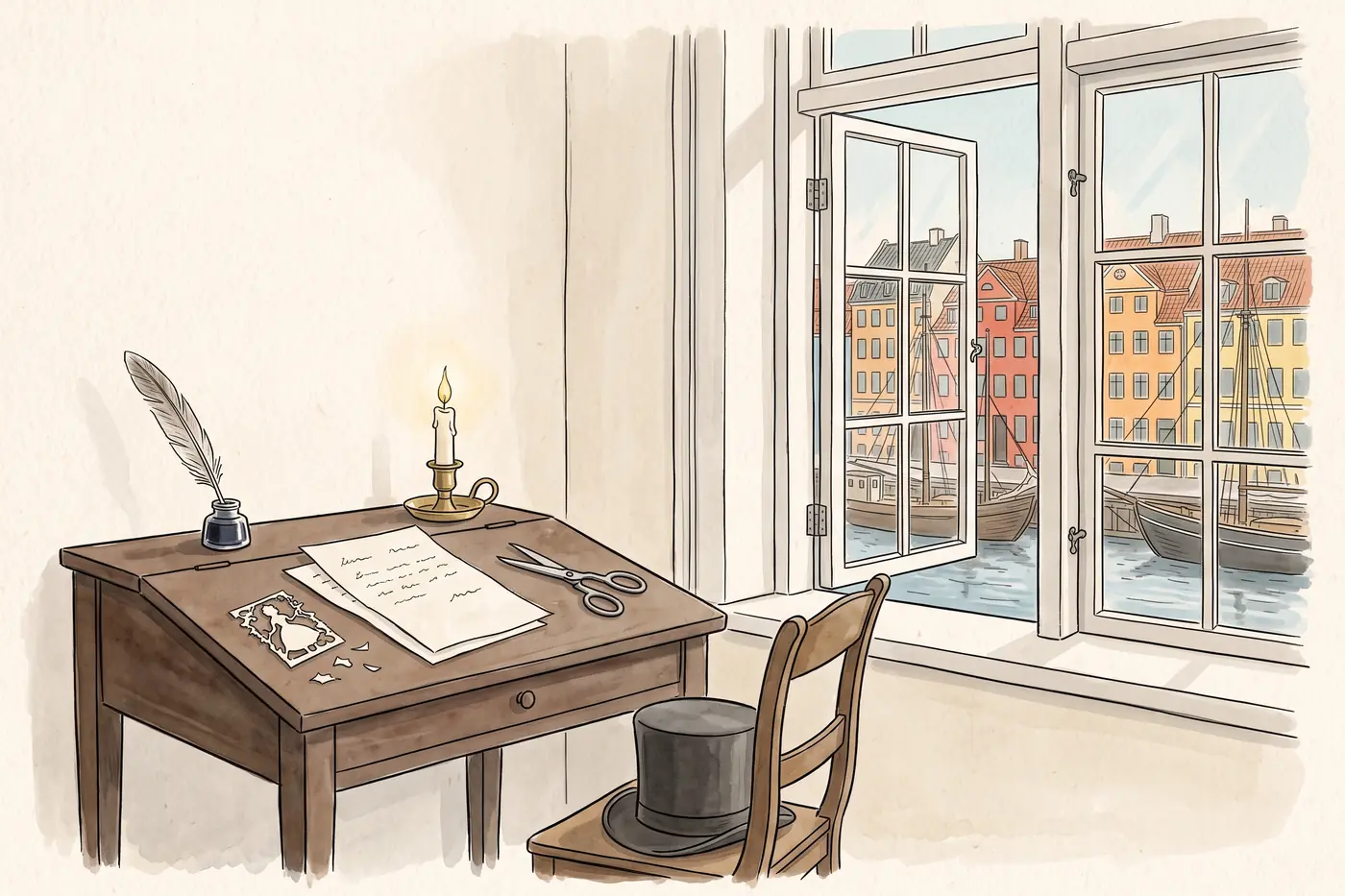
Hans Christian Andersen à Nyhavn
L'écrivain a vécu à trois endroits sur le quai — là où les contes ont commencé, et là où le mythe sur sa mort se trompe.
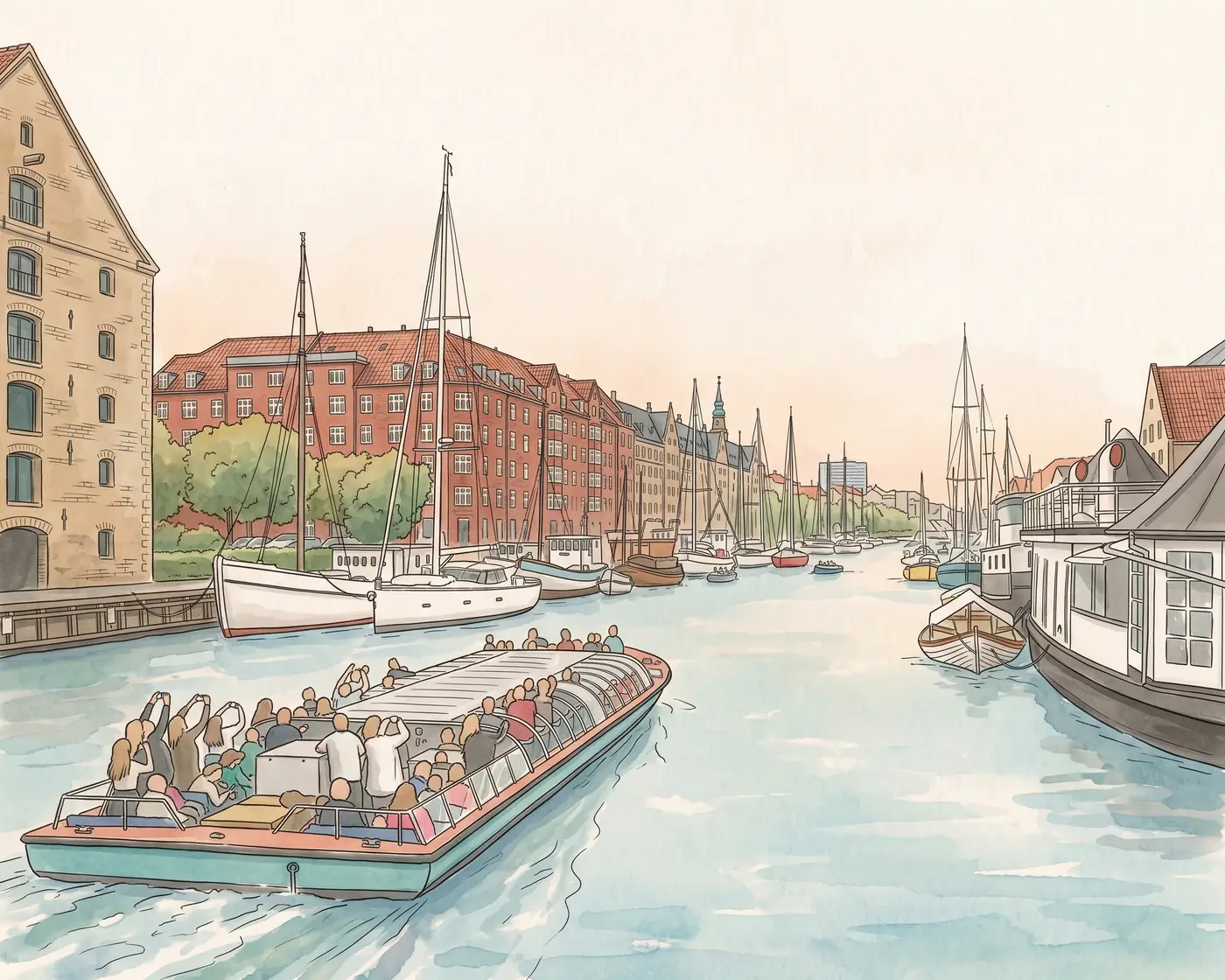
Croisière sur le canal depuis Nyhavn
Visites des canaux, comparées honnêtement — laquelle vaut la peine d'être réservée.